Do You Need an Attorney for a Deed Transfer in New Jersey?

Need a deed transfer in New Jersey? Learn if you need a real estate attorney, what forms are required, and how to avoid costly legal mistakes.
Need a deed transfer in New Jersey? Learn if you need a real estate attorney, what forms are required, and how to avoid costly legal mistakes.

Learn the legal steps and costs of deed transfers during refinancing in New Jersey. Avoid common mistakes with expert tips from a real estate attorney.

Can you transfer a New Jersey property with an open mortgage? Learn the risks, due-on-sale rules, federal exceptions, and how deed transfers really work.

Learn how to cancel a New Jersey real estate contract during the three business-day attorney review, including disapproval notice methods and mistakes to avoid.

Learn how adding a spouse to a deed in New Jersey works, including deed options, tenancy by the entirety, tax forms, creditor risks, and FAQs.
A deed transfer is required after an owner’s death to transfer or update the property title. Probate ensures the court oversees the process to properly pass ownership.
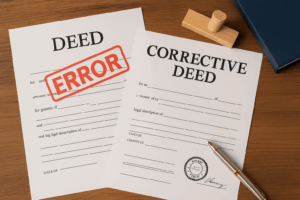
Learn how to correct and rectify errors New Jersey deeds. Fix mistakes in real estate title such misspelled names, inaccurate martial status, and legal description.

Learn how to transfer real estate into a trust in New Jersey. Avoid probate, ensure control, and follow key legal steps with expert attorney guidance.

Learn how New Jersey real estate contracts work—from attorney review to deposits, contingencies, and closing costs. Legal tips for buyers and sellers included.

Deposits in New Jersey real estate contracts show a buyer’s good faith and balance risk between the parties. They are negotiable, refundable under certain conditions, and influenced by market leverage and contract terms.