

September 1, 2026 Newsletter
Key Cases, Regulatory Changes & Land Use Developments Affecting Real Estate Professionals
This month’s Real Estate Law Newsletter highlights three important developments affecting New Jersey’s real estate industry: a major Supreme Court ruling on eminent domain, a delay of the state’s new flood and land-use regulations, and a significant federal change in lending guidance. Whether you’re a realtor, investor, landlord, mortgage professional, or property owner, our Real Takeaways explain what these developments could mean for your transactions, projects, financing, and compliance.
Quick Highlights
- NJ Supreme Court Clarifies Eminent Domain Rules: Municipalities do not have to state the specific public purpose for a property taking in the ordinance authorizing condemnation, although early disclosure remains a recommended practice.
- New Jersey Delays REAL Rule Implementation: State officials extended key legacy provisions for one year while reviewing controversial flood-risk and development regulations that could affect permitting, construction costs, redevelopment, and housing.
- Federal Agencies Rescind SPCP Lending Guidance: Regulators withdrew 2022 guidance on Special Purpose Credit Programs, signaling that lenders should reassess programs involving protected characteristics under ECOA, Regulation B, and the Fair Housing Act.

The New Jersey Supreme Court ruled in Borough of Seaside Park v. Shree Jyoti LLC that municipalities do not have to identify a specific public purpose in an ordinance authorizing condemnation. The 6-1 decision upheld Seaside Park’s use of eminent domain to acquire the Desert Palm Inn for planned parking and electric vehicle charging facilities. However, the Court encouraged municipalities to disclose the intended use early to promote transparency.
For New Jersey property owners and real estate professionals, the ruling gives municipalities greater flexibility in eminent domain proceedings. An ordinance is not automatically defective because it omits the planned public use, but owners may still challenge whether the taking serves a legitimate public purpose. Property owners should also respond promptly to condemnation notices and proceedings to preserve their rights.
Real Takeaways:
- Eminent Domain Ordinances Have Flexibility: New Jersey municipalities do not have to state the specific public purpose for a property taking in the ordinance authorizing condemnation, giving local governments greater procedural flexibility.
- Property Owners Should Act Early: Investors and owners facing potential condemnation should promptly respond to appraisal notices, municipal communications, and negotiation efforts to preserve their rights and potential objections.
- Public Purpose Still Matters: Even if the intended use is not stated in the ordinance, a taking must still serve a legitimate public purpose, making early legal review important when a property is targeted for eminent domain.

New Jersey officials have delayed key provisions of the Resilient Environments and Landscapes (REAL) rule, giving qualifying development projects an additional year before facing the new requirements. The rule would expand flood-risk areas and require higher elevations for certain development and redevelopment projects. The extension allows the DEP to review potential amendments following concerns about housing affordability, permitting costs, and economic development.
For New Jersey real estate professionals and property owners, the delay provides more time to assess projects that could face increased costs or development restrictions. Developers and investors should determine whether projects qualify under the extended legacy provisions and closely monitor the DEP’s review. Future changes could significantly affect project feasibility, financing, property values, and redevelopment opportunities.
Real Takeaways:
- More Time for Development Projects: The one-year extension gives developers and investors additional time to pursue qualifying projects before stricter REAL rule requirements may apply.
- Review Project Costs and Financing: Expanded flood zones and higher elevation standards could affect construction costs, property values, insurance, permitting, and loan feasibility, making early due diligence important.
- Expect Further Regulatory Changes: New Jersey DEP is reviewing the REAL rule for possible amendments, so realtors, lenders, investors, and property owners should closely monitor updates that could affect future transactions and development opportunities.

Federal housing and financial regulators have rescinded the 2022 guidance on Special Purpose Credit Programs (SPCPs), which encouraged lenders to expand credit access for historically disadvantaged groups. Regulators said lenders should no longer rely on guidance allowing certain programs based on protected characteristics, citing conflicts with ECOA, Regulation B, and the Fair Housing Act. The change is effective immediately.
Mortgage lenders and real estate professionals should review existing SPCPs, underwriting policies, marketing, and eligibility requirements for compliance with current federal law. Changes to these programs could affect financing opportunities for homebuyers and investors, making it important to monitor how lenders modify or discontinue specialized credit programs.
Real Takeaways:
- Review Lending Programs for Compliance: Loan officers and lenders should review Special Purpose Credit Programs and related policies to ensure they comply with current ECOA, Regulation B, and Fair Housing Act requirements.
- Expect Changes in Financing Options: Realtors and investors should be aware that lenders may modify or discontinue certain specialized credit programs, potentially affecting financing options available to some buyers.
- Do Not Rely on Withdrawn Guidance: Real estate and mortgage professionals should base lending and marketing practices on current federal requirements rather than the rescinded 2022 guidance, particularly when programs involve protected characteristics.
Social Spotlight
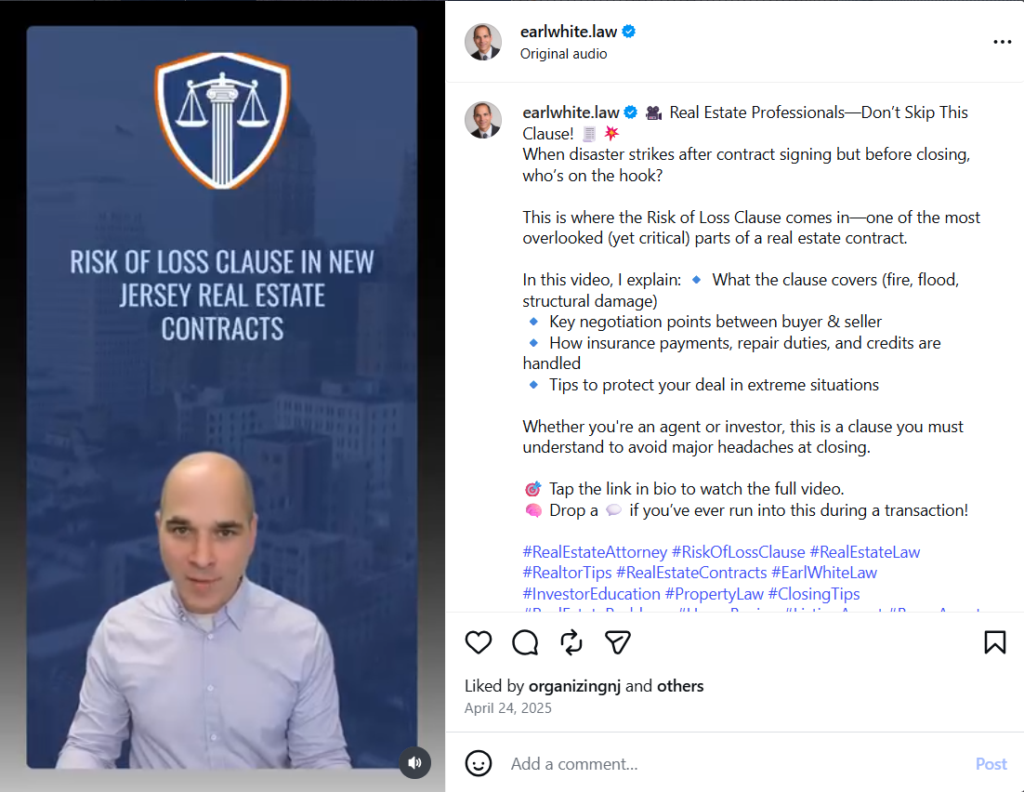
The Risk of Loss Clause determines who bears responsibility for property damage between contract signing and closing, an important protection for real estate transactions. Check the Post.
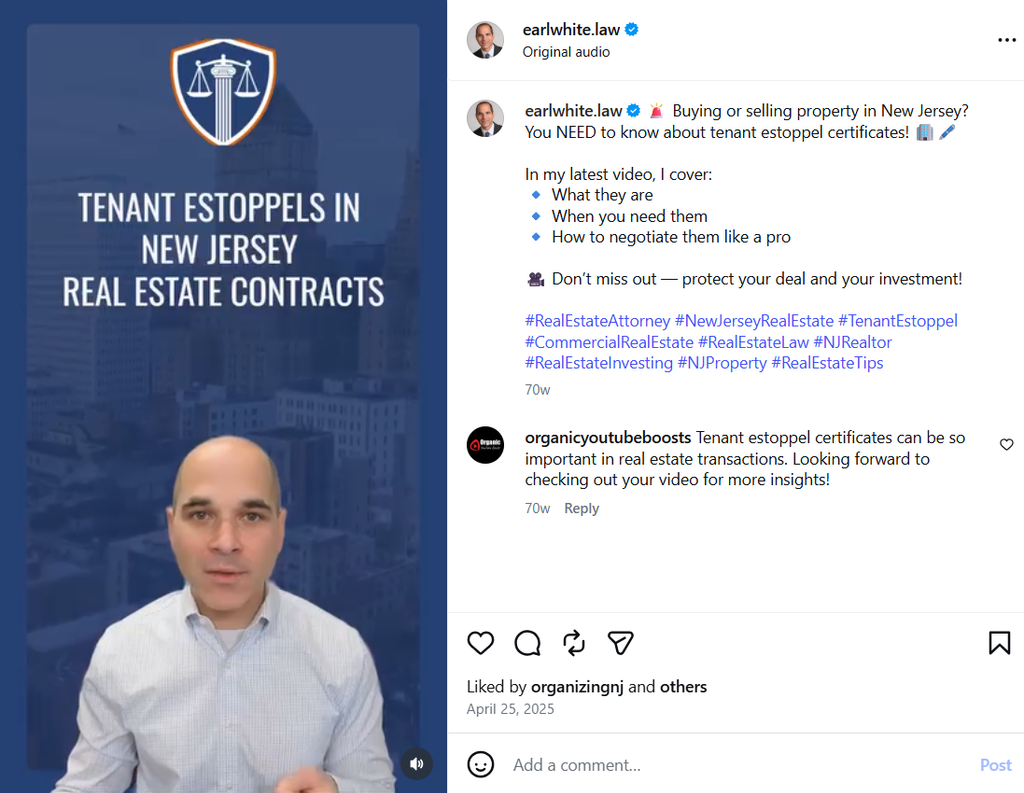
Buying or selling New Jersey property? Tenant estoppel certificates help verify important lease details, protect your investment, and reduce potential transaction risks. Check the Post.
Blog Essentials


Selling a house “as is” in New Jersey can simplify the process, but sellers must still follow important disclosure requirements. Learn more.
Commercial and residential real estate contracts differ in due diligence, financing, tenant documentation, lease assignments, and ownership structures in New Jersey transactions. Learn more.

Stay ahead with our free newsletter: The Real Estate Law Newsletter – your source for real estate law news.
Essential updates and insights direct to you. Impress clients and colleagues with trending news. Sharpen expertise. Stay legally compliant. Access free legal forms. Don’t miss out – join today!