

October 15, 2026 Newsletter
Key NJ Real Estate Law Developments for Professiona
This issue highlights important developments affecting New Jersey real estate professionals, from changes in FHA mortgage eligibility to affordable housing investments and property-tax exemptions. Here’s what realtors, lenders, investors, and property owners should know.
Quick Highlights
- FHA Lending Declines: New data shows a sharp drop in FHA mortgages to nonpermanent residents following federal eligibility changes.
- $36M Affordable Housing Investment: A New Jersey developer secures financing to rehabilitate 150 apartments in Gloucester County.
- NJ Property-Tax Exemption: The Tax Court grants a charitable exemption to a nonprofit providing transitional housing

The Department of Housing and Urban Development (HUD) ended FHA mortgage eligibility for non-permanent residents effective May 25, 2025. According to Intercontinental Exchange (ICE), their share of FHA purchase loans dropped sharply from 5.8% to 0.1% following the policy change. Their share of purchase mortgages across all loan types also declined from 5.6% to 3.4%.
Real estate professionals should identify potential financing restrictions early and help affected buyers explore alternative loan options. The decline also underscores the importance of understanding current lending requirements when advising clients and planning real estate transactions.
Real Takeaways:
- Realtors: Verify buyers’ FHA eligibility early to avoid financing delays or failed transactions.
- Loan Officers: Review residency requirements and explore alternative financing options for affected borrowers.
- Real Estate Investors: Consider how stricter FHA eligibility rules may affect buyer demand and financing opportunities in certain markets.
New Jersey Affordable Housing Developer Secures $36 Million for Apartment Rehabilitation
October 1, 2026

People Restoring Communities (PRC) secured a $35.85 million construction loan from Citizens Bank and Low-Income Housing Tax Credits (LIHTC) to rehabilitate Paulsboro Gardens Apartments, a 150-unit affordable housing complex in New Jersey. The financing also includes $23.73 million in committed permanent financing through Freddie Mac and $18.03 million in LIHTC equity. The project will modernize apartments, improve accessibility, and upgrade energy and utility systems, with completion expected by the end of 2027.
Real Takeaways:
- Realtors: Affordable housing rehabilitation can improve aging properties and strengthen local housing markets.
- Loan Officers: Combining construction loans, tax credits, and permanent financing can support large-scale multifamily renovations.
- Real Estate Investors: Explore LIHTC incentives and financing partnerships to preserve affordable housing and modernize older properties.
New Jersey Extends Deadline for Certain Residential and Mixed-Use Redevelopment Projects
October 6, 2026

The New Jersey Tax Court ruled that Affordable Housing Alliance Inc., a nonprofit providing transitional housing for individuals experiencing homelessness, qualifies for a charitable property-tax exemption. Tinton Falls challenged the exemption, arguing that the nonprofit could evict residents and did not provide sufficient support services. The court disagreed, finding that eviction was a last resort and that the organization demonstrated meaningful support services beyond basic referrals.
Real Takeaways:
- Realtors: Understand how charitable property-tax exemptions may affect the value and operating costs of nonprofit housing properties.
- Loan Officers: Consider potential property-tax exemptions when evaluating financing and operating expenses for qualifying nonprofit housing projects.
- Real Estate Investors: Review charitable-use requirements and document support services when evaluating nonprofit housing investments and potential tax exemptions.
Social Spotlight
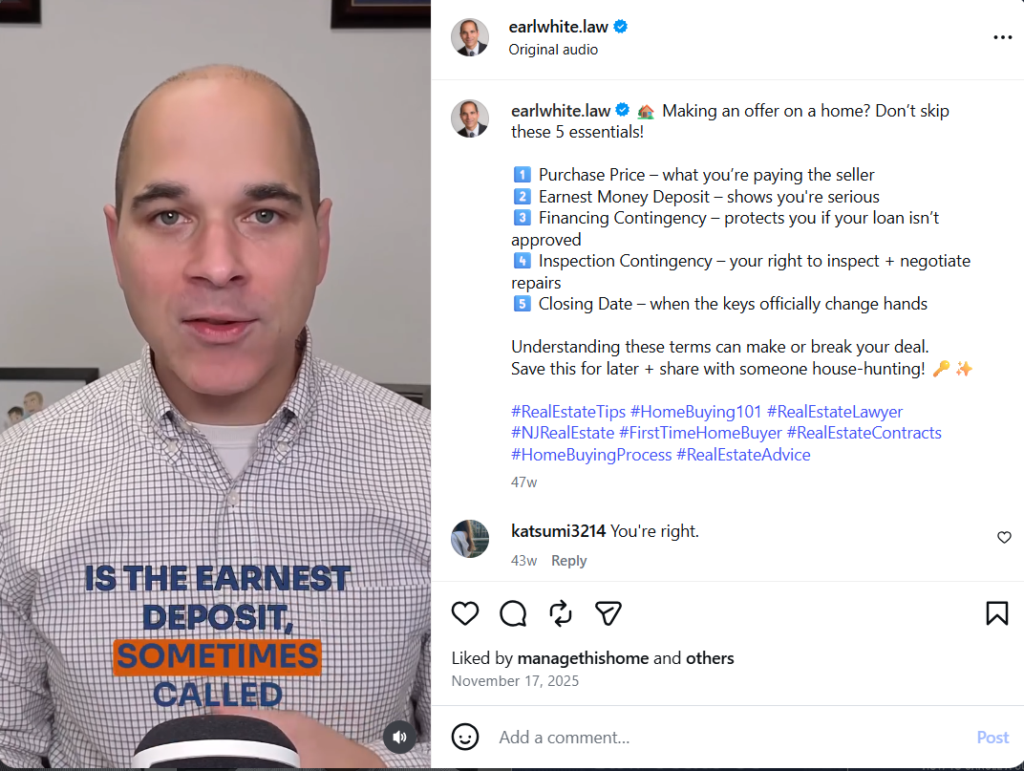
Making an offer on a home? Understand five essential contract terms: purchase price, earnest money, financing contingency, inspection contingency, and closing date before signing. Check the Post.
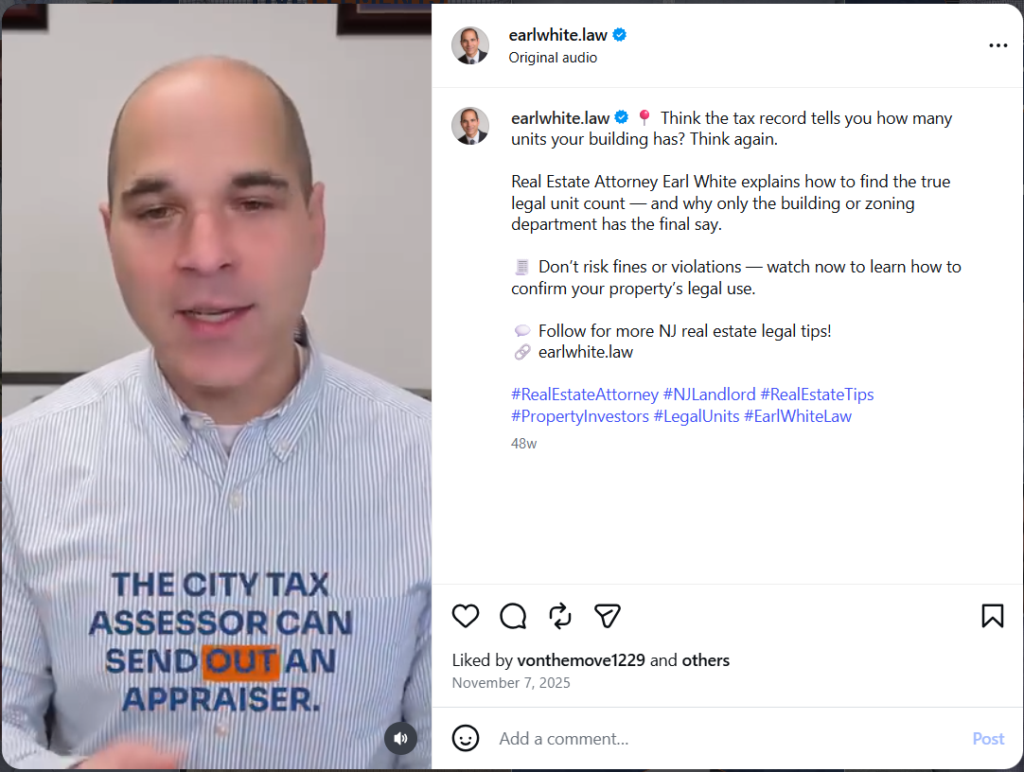
Tax records may not reflect your property’s legal unit count. Verify with the building or zoning department to avoid costly fines and violations. Check the Post.
Blog Essentials


Learn how New Jersey seller disclosure requirements affect real estate transactions, including mandatory forms, hidden defects, flood risks, and liability for incomplete disclosures. Read more.
Learn why New Jersey FSBO sellers should consider hiring an attorney before signing contracts to protect their interests, manage legal obligations, and avoid costly disputes. Read more.

Stay ahead with our free newsletter: The Real Estate Law Newsletter – your source for real estate law news.
Essential updates and insights direct to you. Impress clients and colleagues with trending news. Sharpen expertise. Stay legally compliant. Access free legal forms. Don’t miss out – join today!